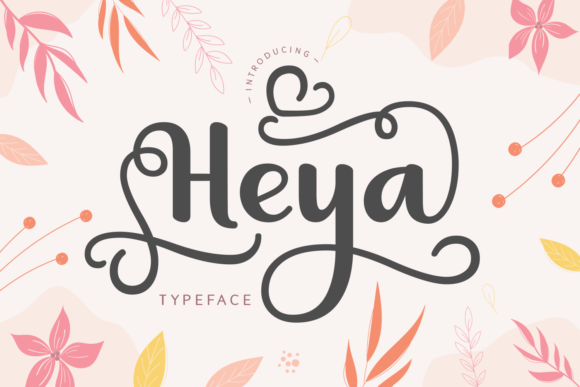
Heya: A Handwritten Touch for Every Design
The Heya font brings a unique blend of charm and elegance to any design project. Its handwritten style adds a personal touch that can elevate everything from wedding invitations to business cards. This font is especially appealing for those who want to incorporate a more organic feel into their work without sacrificing professionalism.
One of the standout features of Heya is its PUA encoding, which allows users to access all the glyphs and swashes with ease. This means that designers can take full advantage of the font's intricate details without encountering technical limitations. The varying baseline of Heya contributes to its natural appearance, making it ideal for projects that require a more fluid and dynamic look.
Smooth lines and gorgeous glyphs are another hallmark of Heya. These elements combine to create a visually pleasing typeface that feels both refined and approachable. The stunning alternates included in the font provide additional flexibility, allowing users to customize their designs further. Whether used in a single line or across multiple words, Heya maintains a cohesive and attractive aesthetic.
Practical Applications of Heya
Heya’s versatility makes it suitable for a wide range of applications. Wedding invitations often benefit from the font’s elegant script, as it conveys a sense of sophistication and warmth. Thank you cards can also be enhanced with Heya, adding a personal and heartfelt touch to the message. For quotes and greeting cards, the font’s readability and visual appeal make it an excellent choice.
In addition to traditional stationery, Heya works well for logos and business cards. Its handwritten style can help a brand stand out while still maintaining a professional image. The font’s ability to convey a sense of authenticity makes it particularly effective for small businesses or creative enterprises looking to build a strong visual identity.
For educators and researchers, Heya can be used in presentations or educational materials to add a more engaging and human element. It can also be incorporated into digital content such as blog posts or social media graphics to create a more relatable and expressive tone.
Advantages of Using Heya
One of the primary advantages of Heya is its ability to add a handwritten touch to digital designs. This feature is especially valuable in an era where many designs rely on clean, modern fonts. Heya provides a refreshing alternative that can differentiate a project from others in the same category.
The font’s smooth lines and varied baseline contribute to its overall legibility, even when used in larger sizes. This makes it suitable for both short phrases and longer text blocks. The inclusion of swashes and alternates ensures that users can achieve a customized look without needing to switch fonts frequently.
Another benefit of Heya is its ease of use. With PUA encoding, users can access all the glyphs and swashes without additional steps or software. This simplifies the design process and allows for greater creativity and efficiency.
Considerations When Using Heya
While Heya offers many benefits, there are some considerations to keep in mind. The font’s handwritten style may not be suitable for all types of projects. For example, formal documents or highly technical content may require a more structured and consistent typeface.
It’s also important to consider the context in which Heya will be used. The font’s aesthetic is best suited for projects that aim to convey warmth, creativity, or personalization. In contrast, more corporate or minimalist designs may benefit from a different font choice.
Users should also ensure that they have the appropriate licensing for commercial use. While Heya is designed for a variety of applications, it’s essential to verify that the font’s terms of use align with the intended purpose of the project.
Exploring the Potential of Heya
Designers and creators can experiment with Heya in various ways to maximize its impact. Combining it with other fonts can create a balanced and visually interesting layout. For instance, pairing Heya with a sans-serif font can add contrast while maintaining a cohesive design.
Typography trends often emphasize the importance of personality and uniqueness in design. Heya fits well within this trend by offering a distinctive and expressive typeface. Its ability to convey emotion and character makes it a valuable tool for anyone looking to add depth to their work.
As digital design continues to evolve, the demand for fonts that offer both functionality and aesthetic appeal remains high. Heya meets this demand by providing a versatile and visually appealing option that can be used in a wide range of contexts.
Conclusion
Heya is more than just a font—it’s a powerful tool for adding a personal and artistic touch to any design. Its combination of elegance, readability, and versatility makes it a valuable asset for professionals and hobbyists alike. Whether used in wedding invitations, logos, or digital content, Heya has the potential to enhance the visual appeal and emotional impact of a project.
By understanding the characteristics and applications of Heya, users can make informed decisions about how to incorporate it into their work. Its unique qualities set it apart from other fonts, making it a compelling choice for those seeking to add a handwritten feel to their designs.