Khalitta: A Versatile Font for Elegant Design Workflows
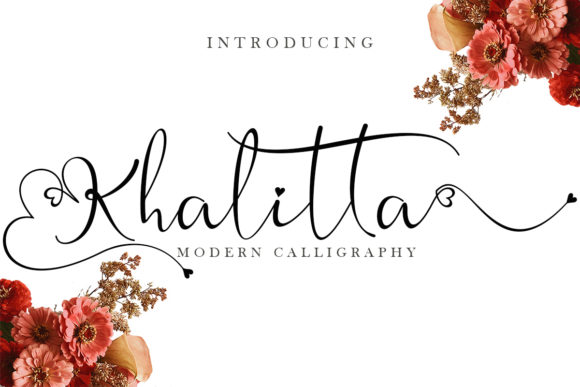
Khalitta is a beautifully crafted font that combines charm with elegance, making it an ideal choice for a wide range of design projects. Whether you're working on wedding invitations, thank you cards, quotes, greeting cards, logos, or business cards, Khalitta adds a handwritten touch that elevates the overall aesthetic. Its unique characteristics make it a valuable addition to any designer's toolkit, especially when a personal and refined look is required.
Designed with a varying baseline and smooth lines, Khalitta offers a natural flow that mimics authentic handwriting. This makes it particularly effective in situations where a more organic feel is desired. The font also includes gorgeous glyphs and stunning alternates, allowing for creative flexibility in different design contexts.
Understanding Khalitta’s Role in the Design Process
Khalitta fits seamlessly into various stages of the design process, from initial concept to final output. Before starting a project, designers can use Khalitta to explore visual themes and establish a tone that aligns with the intended message. During the execution phase, its versatility allows for easy integration into layouts, ensuring consistency across multiple design elements. After the project is complete, Khalitta can be used for quality control checks, helping to maintain a cohesive look across all materials.
The font’s PUA encoding ensures that all glyphs and swashes are easily accessible, which streamlines the workflow and reduces the need for additional tools or software. This accessibility is especially beneficial for designers who work on tight deadlines or need to make quick adjustments to their designs.
Integrating Khalitta into Different Workflows
Khalitta can be integrated into both digital and print workflows, making it a flexible option for a variety of applications. For example, in a marketing campaign, Khalitta can be used to create eye-catching headlines or taglines that stand out while maintaining a sense of sophistication. In a branding project, it can be applied to logos or business cards to add a personal and professional touch.
When working with other design tools, such as Adobe Illustrator or Canva, Khalitta can be paired with complementary fonts to create a balanced and visually appealing composition. Its ability to work well with both serif and sans-serif fonts makes it a versatile choice for multi-font projects.
Practical Implementation Tips
To get the most out of Khalitta, consider the following tips:
- Use it for handcrafted elements: Khalitta is perfect for adding a handwritten feel to text elements like signatures, quotes, or labels. This can help differentiate your design from more standard typography.
- Experiment with alternates: Take advantage of the font’s stunning alternates to create unique variations that suit different design needs. This can add depth and interest to your work.
- Combine with other fonts: Pair Khalitta with a clean, modern font to balance its ornate style. This combination can create a dynamic contrast that enhances the overall design.
- Test on different media: Ensure that Khalitta looks good on both digital and print formats. Testing it on various surfaces can help identify any potential issues before finalizing a project.
Compatibility and Usability Considerations
When using Khalitta, it’s important to consider compatibility with different platforms and software. Most design programs support TrueType or OpenType fonts, so Khalitta should work smoothly in most environments. However, always check for any specific requirements or limitations that may affect its performance.
Usability is another key factor. Khalitta’s varying baseline and smooth lines make it easy to read, even in smaller sizes. This makes it suitable for a wide range of applications, including body text, headings, and decorative elements. Its readability ensures that the font remains functional without sacrificing style.
Long-Term Use and Maintenance
For long-term use, it’s important to maintain a consistent approach when working with Khalitta. This includes keeping backups of the font files and organizing them in a way that makes them easy to access. Regularly updating your design assets can also help ensure that Khalitta continues to perform well across different projects.
Additionally, consider the context in which Khalitta will be used. While it’s great for elegant and personal designs, it may not be the best choice for highly technical or minimalist projects. Understanding the appropriate use cases for Khalitta can help you make informed decisions about when and how to incorporate it into your work.
Enhancing Workflow Efficiency with Khalitta
Incorporating Khalitta into your workflow can improve efficiency by reducing the need for additional design elements. Its ability to provide a handwritten touch without requiring manual input saves time and effort. This is especially useful in fast-paced environments where speed and accuracy are essential.
Furthermore, Khalitta’s consistent quality helps maintain a high standard across all design outputs. By using a reliable and well-designed font, you can ensure that your work remains professional and polished, regardless of the project size or complexity.
Conclusion: Khalitta as a Valuable Design Asset
Khalitta is more than just a font—it’s a tool that can enhance the visual appeal and professionalism of your designs. Its combination of charm, elegance, and practicality makes it a valuable asset for anyone involved in design, branding, or creative work. Whether you’re working on a personal project or a professional assignment, Khalitta offers a versatile solution that fits into a wide range of workflows.
By understanding how to integrate Khalitta into your design process, you can unlock its full potential and create work that stands out with style and sophistication. With its ease of use, compatibility, and visual appeal, Khalitta is a font that delivers both beauty and functionality in every design it touches.