Hagos: A Script That Transcends the Ordinary
The world of typography is ever-evolving, and with it comes a constant search for typefaces that can elevate design work from good to exceptional. Among the many fonts available, Hagos stands out as a modern script that blends the elegance of calligraphy with contemporary sensibilities. This unique typeface is more than just an aesthetic choice—it's a tool that can transform how visual communication is perceived and executed.
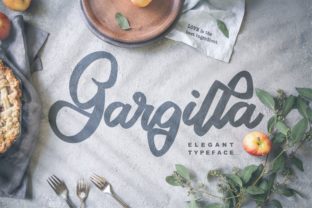
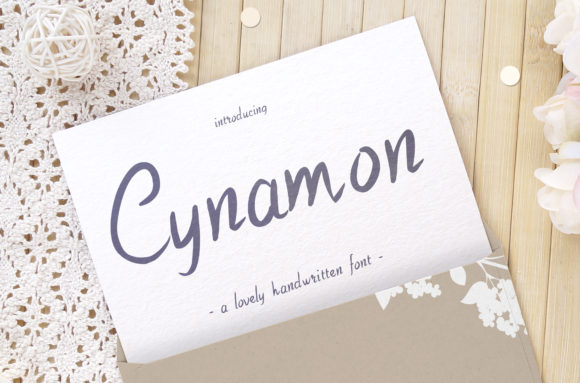
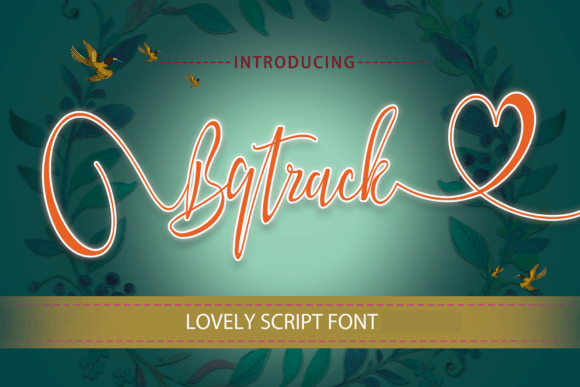
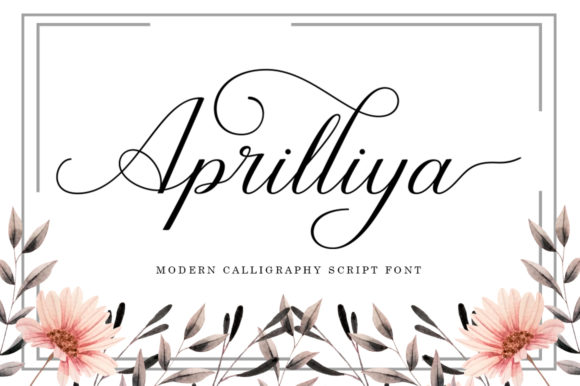
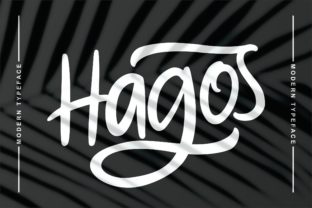
Designed with a fluid, handwritten feel, Hagos captures the essence of traditional calligraphy while maintaining the precision required for digital applications. Its curves are smooth yet expressive, and its letterforms exhibit a level of detail that makes it ideal for projects where personalization and artistry matter. Whether used in print or digital media, Hagos brings a sense of warmth and sophistication that other fonts may lack.
The Characteristics of Hagos
At first glance, Hagos appears to be a simple script font, but upon closer inspection, it reveals a complex interplay of form and function. The font’s serifs are subtle, allowing the letters to maintain a clean and readable appearance even at smaller sizes. This balance between artistic flair and practicality is one of its defining traits.
Another notable feature is the way Hagos handles spacing and alignment. Unlike some script fonts that can appear cluttered or inconsistent, Hagos maintains a consistent rhythm across its characters. This makes it particularly useful for designers who need to ensure that text remains legible and visually cohesive, especially in contexts such as branding or editorial layouts.
The weight of Hagos is also worth noting. It leans towards a medium to light weight, which gives it a delicate and refined look. This characteristic makes it suitable for a wide range of applications, from formal invitations to casual social media posts. Its versatility ensures that it can adapt to different design needs without losing its identity.
Practical Applications of Hagos
One of the most common uses for Hagos is in the creation of invitation cards. Whether for weddings, corporate events, or personal celebrations, the font adds a touch of class and individuality. Its flowing lines and elegant structure make it perfect for titles and headings, where visual impact is key. When paired with complementary design elements, such as borders or illustrations, Hagos can create a cohesive and memorable aesthetic.
In the realm of branding, Hagos offers a compelling alternative to more rigid, sans-serif fonts. It can be used to craft logos, taglines, or promotional materials that convey a sense of creativity and authenticity. For businesses that want to stand out in a crowded market, Hagos provides a distinctive visual voice that resonates with audiences looking for something more than standard typography.
Business cards are another area where Hagos shines. Its script style allows for a more personalized approach to contact information, making it easier for recipients to remember the details. Additionally, the font’s readability ensures that essential information, such as names and titles, remains clear and easy to process.
Why Choose Hagos Over Other Scripts?
While there are countless script fonts available, Hagos distinguishes itself through its balance of beauty and usability. Many script fonts prioritize aesthetics over functionality, resulting in designs that are visually appealing but difficult to read. Hagos, on the other hand, strikes a careful equilibrium, ensuring that it remains accessible across various mediums and formats.
Another advantage of Hagos is its compatibility with different design software. Whether you're using Adobe Illustrator, Photoshop, or InDesign, the font integrates seamlessly into your workflow. This ease of use makes it a valuable asset for designers who need to meet tight deadlines without compromising on quality.
Moreover, Hagos is often praised for its adaptability. It works well in both digital and print environments, making it a reliable choice for multi-platform projects. This flexibility is especially beneficial for creators who need to maintain a consistent visual language across different formats.
Considerations When Using Hagos
Despite its many strengths, there are certain considerations to keep in mind when working with Hagos. One of the primary factors is the context in which it is used. While it excels in creative and decorative settings, it may not be the best choice for body text in long-form documents. Its script style, while beautiful, can become fatiguing to the eye if overused.
Another consideration is the availability of the font. Depending on the platform or software being used, access to Hagos may vary. It is important to ensure that the font is properly licensed and compatible with the intended application. This is particularly relevant for commercial projects, where compliance with licensing agreements is crucial.
Finally, the pairing of Hagos with other typefaces should be done thoughtfully. While it can serve as a strong standalone font, it often benefits from being complemented by a more neutral typeface. This contrast helps to highlight the unique qualities of Hagos while maintaining overall visual harmony.
The Future of Hagos in Design
As design trends continue to evolve, the demand for fonts that offer both personality and practicality is likely to grow. Hagos, with its blend of tradition and innovation, is well-positioned to meet this demand. Its ability to adapt to different styles and applications ensures that it will remain relevant in the ever-changing landscape of typography.
For designers, educators, and business owners alike, Hagos represents more than just a font—it's a symbol of creativity and craftsmanship. Its presence in various design projects underscores the importance of choosing tools that not only enhance visual appeal but also support effective communication.
Ultimately, the success of Hagos lies in its ability to connect with users on both an emotional and functional level. Whether used in a wedding invitation, a brand logo, or a business card, it brings a sense of artistry and professionalism that can elevate any design project. As more people discover its potential, Hagos is poised to become a staple in the toolkit of designers around the world.